
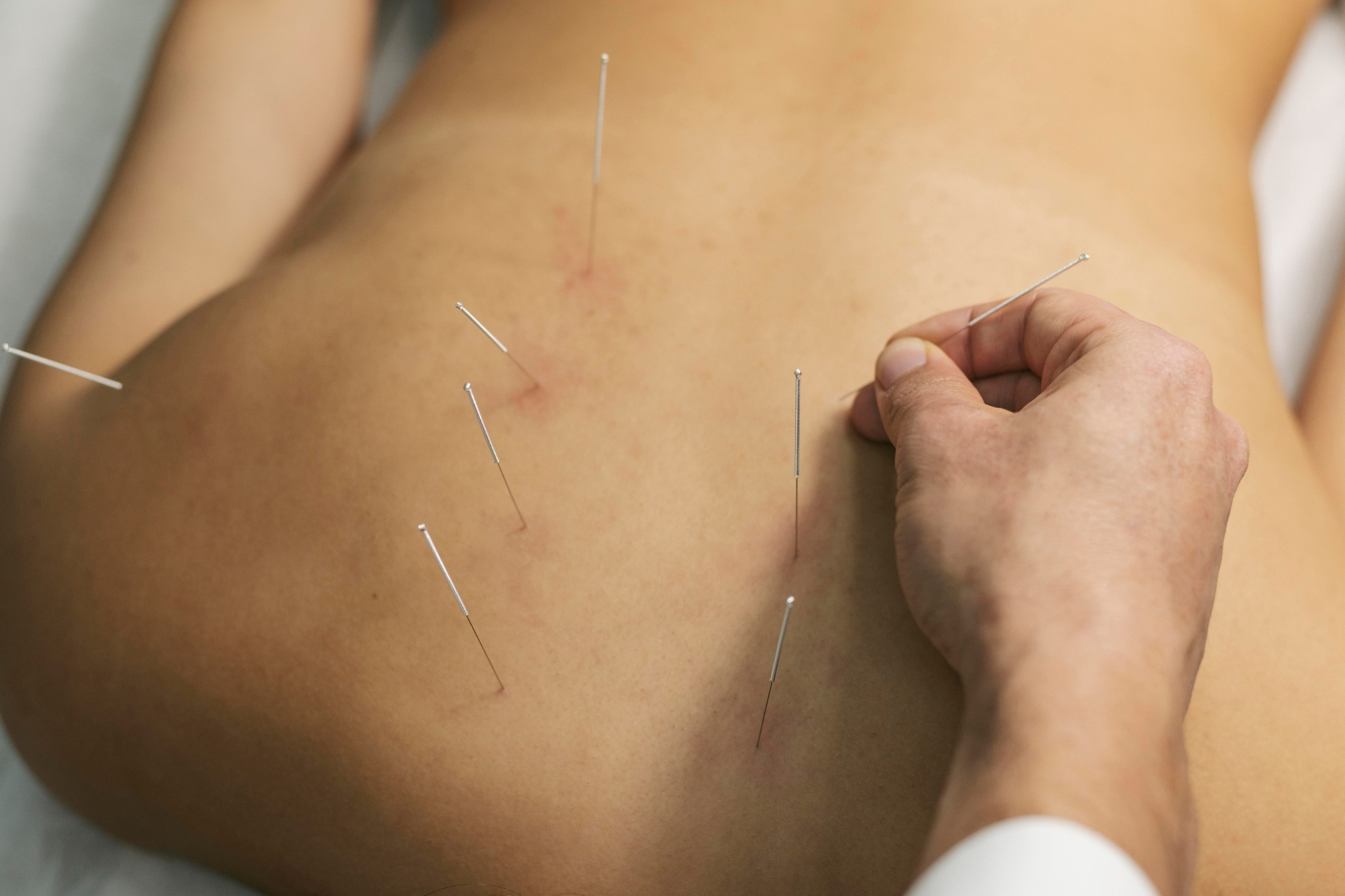
Stereotypes Muscle pain, stiffness, and limited movement are no longer the concern of sportspeople or individuals whose occupations are characterized by physical exertion. Chronic muscular pains have become very common due to the long working hours, inadequate posture, stresses and an inactive lifestyle. Dry needling therapy is one of the best modern physiotherapy methods that are employed to bring about such pain to a treatable stage.
If you’re looking to get dry needling in Baner, this guide will assist you in knowing how this method works, the ailments it rehabilitates, and the reason why it is taking shape in most preferential treatment in the advanced physiotherapy system.
What Is Dry Needling Therapy?
Dry needling is a needle therapy that has to be sometimes therapised by the trained physiotherapists in order to treat muscular pain and dysfunction. It comprises the element of putting very straight needles that are sterile into particular trigger points in tight or damaged muscles.
Dry needling physiotherapy is founded on modern anatomy, neurophysiology, and evidence-based medical science unlike acupuncture which premises itself on the traditional Chinese medicine. The objective is (significantly) easy: work with the knots of muscles, pain, and recovery of normal movement.
The patients who choose to undergo dry needling therapy in Baner or dry needling therapy in Balewadi usually get quick pain relief when compared to conventional therapies.
How the Dry Needling Technique Works?
The dry needling technique targets myofascial trigger points—tight bands of muscle fibres that cause pain, stiffness, and referred discomfort. When the needle is inserted into these trigger points, it creates a local twitch response in the muscle.
This response helps:
- Relax tight muscle fibres
- Improve blood circulation
- Reduce inflammation
- Reset abnormal nerve signals causing pain
As the muscle relaxes, pain reduces and mobility improves. This is why dry needling in Pune is increasingly recommended for patients dealing with chronic or recurring musculoskeletal pain.
Conditions Treated with Dry Needling Therapy
Dry needling is highly effective for a wide range of conditions. Some common dry needling conditions include:
- Neck pain and cervical stiffness
- Shoulder pain and rotator cuff injuries
- Lower back pain and sciatica
- Sports injuries and muscle strains
- Tennis elbow and golfer’s elbow
- Knee pain and runner’s knee
- Plantar fasciitis and heel pain
- Postural pain caused by long sitting hours
- Headaches and migraine linked to muscle tension
Because of its versatility, dry needling therapy in Baner Pune is often combined with rehabilitation exercises and manual therapy for long-term relief.
What Does a Dry Needling Session Feel Like?
Many patients are curious—or anxious—about how dry needling feels. The needle used is extremely thin, much finer than injection needles. You may feel:
- A mild prick during insertion
- A brief muscle twitch
- Temporary soreness similar to post-workout muscle fatigue
These sensations are normal and usually subside within 24–48 hours. Most patients undergoing dry needling treatment in Pune report significant pain relief even after a few sessions.
Who Should Opt for Dry Needling?
Dry needling is suitable for people who:
- Have chronic muscle pain
- Experience stiffness or restricted movement
- Have not responded well to medication alone
- Want a non-surgical, drug-free treatment option
However, the treatment should always be performed by a trained physiotherapy doctor in Baner or an experienced professional who understands anatomy and trigger point mapping.
Why Choose Dry Needling Therapy in Baner or Balewadi?
Baner and Balewadi have emerged as major healthcare hubs in Pune, offering access to advanced physiotherapy techniques. Choosing dry needling therapy in Baner or dry needling therapy in Balewadi ensures:
- Personalised treatment plans
- Evidence-based physiotherapy methods
- Faster recovery and reduced downtime
Clinics offering dry needling in Baner focus not just on pain relief but also on correcting the root cause of the problem.
Expert Dry Needling Care in Pune
If you’re looking for trusted Dry Needling Therapy Pune, consult Dr SumitZ, a specialised Orthopedic & Physiotherapy Clinic in Baner. With a focus on accurate diagnosis and advanced physiotherapy techniques, the clinic offers customised dry needling sessions aimed at long-term pain relief and functional recovery.
Final Thoughts
Dry needling is not merely a pain-killing procedure, but rather it is a scientifically established procedure to heal muscle functioning and enhance quality of life. Dry needling physiotherapy may be a breakthrough whether one is talking of sports-related injuries, pain that occurs at work due to muscle strain, and persistent stiffness that cannot be relieved.
If you’re looking for expert-led Dry Needling Therapy Pune, consult Dr SumitZ, an Orthopedic & Physiotherapy Clinic in Baner. When chronic pain is interfering with your living conditions, it might be a good idea to seek the dry needling treatment of a professional physiotherapy doctor in Pune and be ready to take the initial steps towards long-term accomplishment of the task.
Frequently Asked Questions (FAQs)
1. Is dry needling therapy safe?
Yes, dry needling therapy is safe when performed by a trained and certified physiotherapy doctor. The procedure uses sterile, single-use needles and is based on modern anatomy and neurophysiology. Minor soreness after treatment is normal and temporary.
2. How many dry needling sessions are required to see results?
The number of sessions depends on the severity and duration of the condition. Some patients experience relief after 1–2 sessions, while chronic muscle pain or long-standing injuries may require multiple sessions combined with physiotherapy and rehabilitation exercises.
3. Does dry needling hurt?
Dry needling is generally well tolerated. You may feel a mild prick during needle insertion or a brief muscle twitch response. Any post-treatment soreness usually feels like workout-related muscle fatigue and resolves within 24–48 hours.
4. What is the difference between dry needling and acupuncture?
Dry needling physiotherapy is based on scientific anatomy and targets myofascial trigger points to relieve muscle pain and dysfunction. Acupuncture is rooted in traditional Chinese medicine and focuses on energy meridians. Both use needles, but their techniques and treatment goals differ.
5. Who should avoid dry needling therapy?
Dry needling may not be suitable for pregnant women, individuals with bleeding disorders, active infections, or severe needle phobia. A consultation with an experienced physiotherapy doctor in Baner or Pune is essential to determine suitability
Medical Disclaimer
This article is for educational and informational purposes only. It should not be used as a substitute for professional orthopaedic diagnosis or personalized treatment. Always consult a qualified specialist for pain or injury.
Consult Our Specialists Today
Schedule a consultation at SumitZ Clinic Baner or Hinjewadi for personalized pain evaluation.