
Booking a visit
Working Time
- Mon-Sun 09:00 AM - 09:30 PM
Contact Info
-
Phone: +91 9545559434
+91 8855950433 - Drgsumit@gmail.com
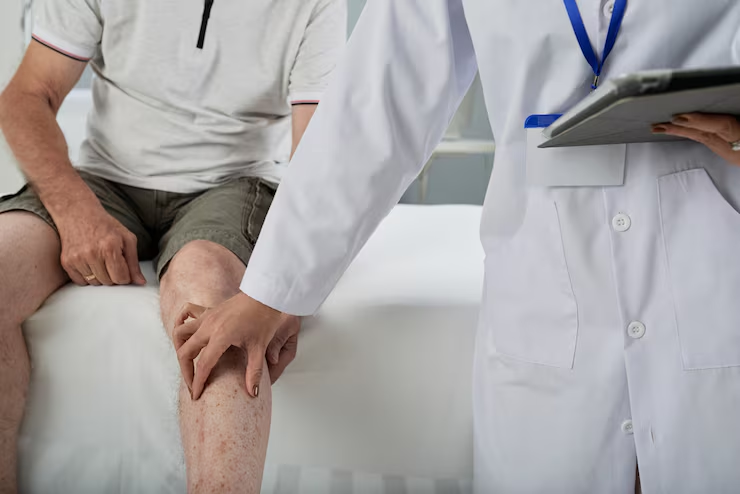
Hearing a cracking sound from bones or joints when you bend your knees, stand up, climb stairs, or exercise can be surprising. For many people, occasional knee popping is harmless. However, when the bone cracking sound happens frequently and is accompanied by pain, swelling, stiffness, instability, or reduced movement, it may need professional evaluation.
Knee sounds are commonly described as clicking, popping, grinding, or creaking. Technically, the sound may come from structures within or around the joint rather than the bones themselves. Causes can include gas movement within joint fluid, tendons or ligaments moving over structures, or changes associated with joint wear and tear.
At Dr. Sumitz Clinic, patients can receive orthopedic evaluation and physiotherapy support for knee and joint concerns. The clinic provides orthopedic care, diagnostic services, and rehabilitation options in Baner, Pune.
Is Knee Cracking Normal?
In many cases, knee cracking without pain is not a sign of serious disease. Joint noises can occur during normal movement and may become more noticeable with age or activity.
The important factor is whether other symptoms occur along with the sound.
If your knees crack but you have:
- No pain
- No swelling
- Normal movement
- No feeling of instability
- No recent injury
the sound may not require specific treatment.
However, when your bones crack and you also experience discomfort or functional problems, it is better to consult an orthopedic professional.
What Causes a Cracking Sound in Joints?
Several factors can contribute to joint noises.
1. Gas Movement in the Joint
Synovial joints contain fluid that helps lubricate movement. Changes in pressure within the joint can produce popping or cracking sounds. This is one common explanation for painless joint cracking.
2. Tendons and Ligaments
Tendons and ligaments can move over nearby structures during bending and straightening. This movement may produce a snapping or clicking sensation.
3. Cartilage Wear and Tear
Changes in cartilage can cause a rougher joint surface and produce a grinding or creaking sensation. Osteoarthritis, for example, can cause knee pain and stiffness as cartilage gradually wears down.
4. Previous Injuries
A previous ligament injury, meniscus problem, fracture, or other knee trauma can change joint mechanics and contribute to unusual sounds.
5. Muscle Weakness or Movement Patterns
Weak muscles around the knee or altered movement patterns can affect how the kneecap and joint move. Physiotherapy may help improve strength, flexibility, and movement control when these factors contribute to symptoms.
When Should You Worry About Knee Cracking?
A cracking sound deserves more attention when it occurs with other symptoms.
Consult an orthopedic specialist if you experience:
- Knee pain with cracking
- Swelling around the joint
- Persistent stiffness
- Difficulty bending or straightening the knee
- Locking or catching
- Knee instability
- Difficulty climbing stairs
- Pain while walking
- Symptoms after an injury
- Progressive worsening of symptoms
A painful grinding or cracking sensation should not simply be attributed to aging or a vitamin deficiency without proper evaluation.
Does Vitamin Deficiency Cause Cracking Knees?
Many people search for vitamins for cracking knees, especially when they notice frequent joint sounds. Nutrition is important for healthy bones, muscles, and joints, but knee cracking does not automatically mean that you have a vitamin deficiency.
Vitamin D, calcium, protein, and other nutrients support bone and musculoskeletal health. However, taking supplements without identifying the actual cause of knee symptoms may not stop the cracking.
The phrase cracking sound in joints deficiency can therefore be misleading. A deficiency may affect bone or muscle health in some individuals, but joint sounds have several possible causes.
If you suspect a nutritional deficiency, a healthcare professional can determine whether laboratory testing or dietary assessment is appropriate.
What Is Bone Cracking Treatment in Baner?
There is no single treatment for every cracking knee. Bone cracking treatment in Baner depends on whether the sound is harmless or associated with an underlying orthopedic problem.
A doctor may begin with:
- Medical history
- Physical examination
- Knee movement assessment
- Muscle strength evaluation
- Gait assessment
- Imaging when clinically indicated
Depending on the findings, treatment may include observation, activity modification, physiotherapy, medication, rehabilitation, or other orthopedic interventions.
The objective is not necessarily to eliminate every joint sound. Instead, treatment focuses on identifying and managing the underlying cause when symptoms are present.
Physiotherapy for Cracking Knees
Physiotherapy can be useful when knee symptoms are related to muscle weakness, stiffness, movement dysfunction, injury, or rehabilitation needs.
A customized program may include:
- Strengthening exercises
- Stretching
- Mobility exercises
- Soft-tissue techniques
- Joint mobilization
- Balance training
- Posture and movement correction
- Home exercise guidance
Dr. Sumitz Clinic provides physiotherapy services that may include joint and soft-tissue mobilization, stretching, electrotherapy, dry needling, and kinesiology taping depending on the patient's condition.
When Is Orthopedic Treatment Necessary?
If knee cracking is associated with significant pain, cartilage damage, arthritis, ligament injury, or another structural problem, orthopedic treatment may be required.
Treatment can range from conservative management to surgical intervention depending on the diagnosis and severity.
An orthopedic specialist in Baner can assess whether your symptoms are related to arthritis, injury, muscular imbalance, or another condition.
If surgery becomes necessary, consultation with an orthopedic surgeon Baner can help you understand the available procedures, expected recovery, and rehabilitation requirements.
How Is Knee Cracking Diagnosed?
Diagnosis starts with a detailed clinical examination.
Depending on symptoms, an orthopedic specialist may recommend imaging such as an X-ray. X-rays can help assess bone structure, alignment, fractures, and certain changes associated with arthritis.
Dr. Sumitz Clinic provides an X Ray Center as part of its diagnostic services. The clinic also offers a Pathology Laboratory and BMD Test when clinically appropriate.
Additional investigations, such as MRI, may be considered when soft-tissue structures such as ligaments or cartilage need further assessment.
How to Protect Your Knee Joints
You can support long-term knee health with simple habits:
Maintain a Healthy Weight
Excess body weight can increase the mechanical load placed on weight-bearing joints. Maintaining a healthy weight can support mobility and joint function.
Strengthen the Muscles
Strong quadriceps, hamstrings, glutes, and core muscles help support efficient movement.
Stay Active
Low-impact activities such as walking, cycling, swimming, and appropriately prescribed exercise can support mobility.
Warm Up Before Exercise
A gradual warm-up prepares muscles and joints for physical activity and may reduce the risk of certain exercise-related injuries.
Treat Injuries Early
Ignoring a knee injury may contribute to persistent pain or movement problems. Early assessment can help determine the appropriate rehabilitation plan.
Why Choose Dr. Sumitz Clinic for Knee Care?
Patients looking for the best orthopedic doctor in Balewadi or the best orthopedic doctor in Pune often value accessible orthopedic consultation, diagnostic support, and rehabilitation services.
Dr. Sumitz Clinic offers integrated orthopedic and physiotherapy care, helping patients move from assessment to treatment and rehabilitation within a coordinated care environment. The clinic provides orthopedic services for musculoskeletal problems along with physiotherapy and diagnostic facilities.
The clinic's services include:
- Orthopaedic Clinic
- Orthopedic Doctor in Pune
- Physiotherapy Clinic
- Physiotherapy Treatment
- Physiotherapy at Home
- X Ray Center
- Pathology Laboratory
- Pediatric Orthopaedic Doctor
- Orthopaedic Surgeon
- Nutrition & Dietitian
- BMD Test
- Digital OPG Facility
You can explore the complete range of services at Dr. Sumitz Clinic Services.
Frequently Asked Questions
1. Why do my knees crack every time I move?
Knee sounds can result from gas movement within joint fluid, tendons or ligaments moving over structures, or changes in the joint associated with wear and tear. Painless cracking is often less concerning than cracking accompanied by pain or swelling.
2. Is a bone cracking sound always a sign of a problem?
No. What people call a bone cracking sound may actually originate from the joint, tendons, ligaments, or changes in joint pressure. If there is no pain, swelling, instability, or movement limitation, it may be harmless.
3. Do vitamins stop cracking knees?
There is no specific vitamin proven to stop all knee cracking. Nutrients such as vitamin D and calcium are important for bone health, but supplements should not be used as a substitute for diagnosis when knee symptoms are present.
4. What does cracking sound in joints deficiency mean?
Joint cracking does not automatically indicate a nutritional deficiency. Joint sounds have several possible causes. If you have concerns about vitamin or mineral deficiency, discuss testing and supplementation with a healthcare professional.
5. When should I see an orthopedic specialist in Baner?
You should consider an orthopedic consultation if knee cracking occurs with persistent pain, swelling, stiffness, locking, instability, reduced movement, or after an injury.
6. Can physiotherapy help with cracking knees?
Physiotherapy may help when symptoms are associated with muscle weakness, stiffness, altered movement patterns, or rehabilitation after injury. The appropriate exercises and techniques should be selected after assessment.
7. What is bone cracking treatment in Baner?
Bone cracking treatment in Baner depends on the underlying cause. Treatment may involve observation, physiotherapy, lifestyle changes, medication, rehabilitation, or orthopedic procedures when necessary.
8. Should I visit an orthopedic surgeon for painless knee cracking?
Not necessarily. Painless knee cracking without swelling, instability, or movement problems may not require surgical treatment. If symptoms develop or the sound is associated with injury or persistent discomfort, an orthopedic evaluation can help determine the cause.
Final Thoughts
Knee cracking is common, but the sound itself does not tell you whether there is a medical problem. When your bones crack, pay attention to accompanying symptoms such as pain, swelling, stiffness, instability, or reduced mobility.
Instead of assuming that cracking is caused by a vitamin deficiency, seek an appropriate evaluation when symptoms persist. With the right diagnosis, options such as physiotherapy, exercise, lifestyle modification, and orthopedic treatment can be considered according to the underlying condition.