
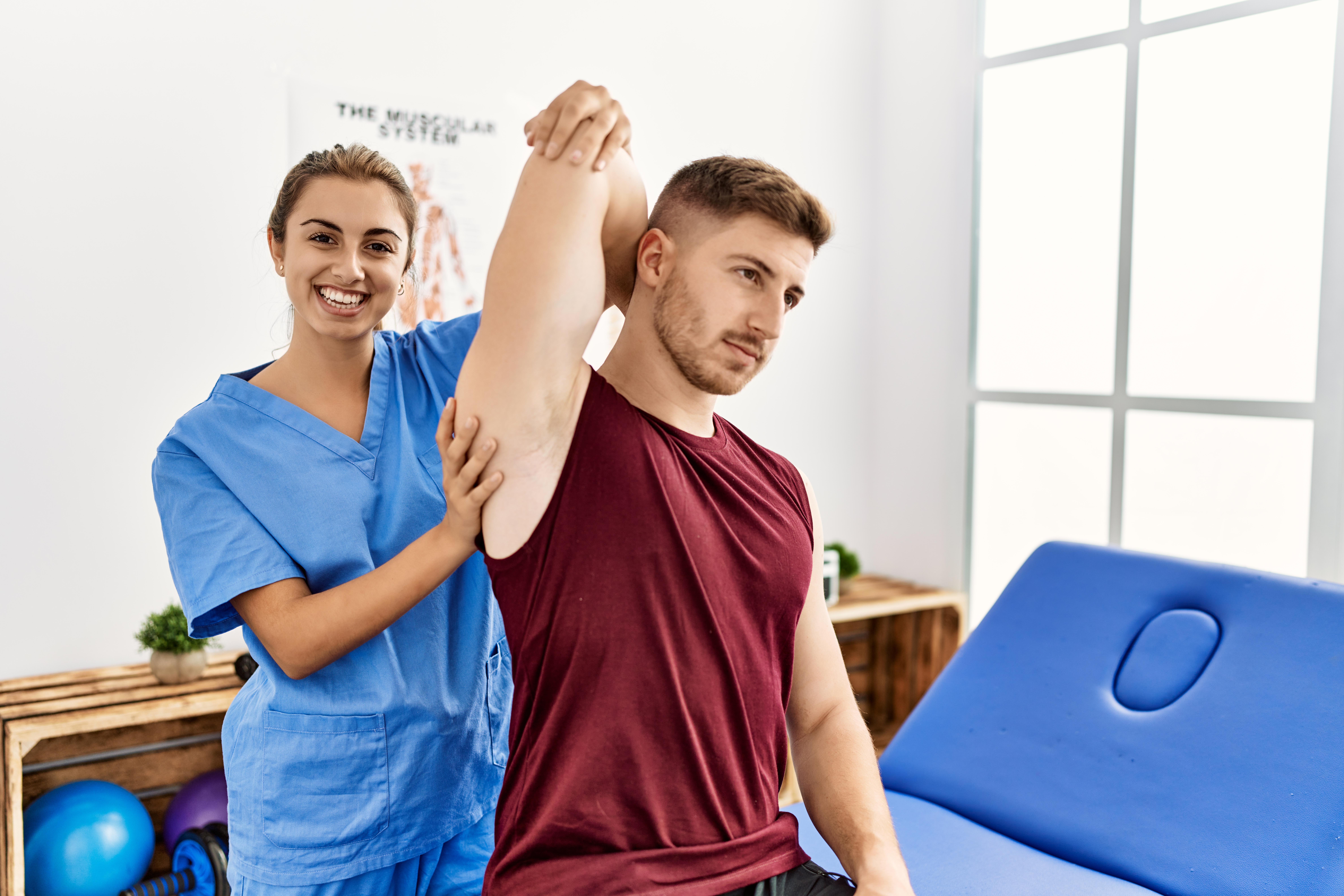
When it comes to bone, joint, and muscle health, choosing the right orthopedic specialist is critical. Whether you’re dealing with chronic back pain, recovering from an injury, or planning an ankle replacement surgery, you deserve care that is expert, holistic, and personalised.
Located in Baner, Dr. SumitZ Orthopedic & Physiotherapy Clinic has quickly become a preferred choice for patients searching for the best orthopedic doctor in Pune. Here’s why hundreds trust Dr. SumitZ for their orthopedic care journey.
Check out the Reasons to Choose Dr. SumitZ, the Best Orthopedic Doctor Pune
1. Expertise That You Can Trust
With years of focused experience, Dr. SumitZ brings deep expertise in diagnosing and treating a wide range of orthopedic conditions. From ligament injuries and sports trauma to arthritis and post-surgical rehabilitation, his knowledge ensures accurate diagnosis and effective treatment.
Recognised among the best orthopedic doctors in Pune, Dr. SumitZ stays up to date with the latest medical advancements to deliver evidence-based care. His practice in Baner has gained popularity among patients looking for a reliable orthopedic doctor near me or a skilled orthopedic doctor in Baner.
2. Comprehensive Orthopedic and Physiotherapy Services Under One Roof
What sets Dr. SumitZ Orthopedic Clinic apart is its integrated care approach. The clinic offers both orthopedic consultations and full-fledged physiotherapy support in one place. This means patients receive end-to-end care—from diagnosis to recovery—without the need to travel elsewhere.
Services include:
-
Joint and spine consultations
-
Injury and trauma care
-
Ankle replacement surgery and post-operative rehab
-
Sports physiotherapy
-
Manual therapy and exercise programs
-
Pain management for chronic orthopedic issues
So whether you're in early recovery or dealing with post-surgical stiffness, the clinic ensures seamless coordination between orthopedic and physiotherapy experts.
3. Personalized Treatment Plans for Every Patient
No two patients are the same, and Dr. SumitZ understands this well. Each case is handled with a customised treatment strategy tailored to the patient’s age, condition, lifestyle, and goals.
For example, if you're undergoing ankle replacement surgery, your plan will include a detailed pre- and post-operative protocol. This includes:
-
Mobility training
-
Strength restoration
-
Swelling management
-
Home exercise plans
Patients consistently appreciate the time and attention Dr. SumitZ gives to understanding their concerns—one of the key traits that make him the best orthopedic doctor in Pune.
4. Focus on Holistic Recovery with Nutritional Guidance
Orthopedic healing isn’t just about surgery or physical therapy. Nutritional guidance plays a significant role in bone density, inflammation control, and muscle recovery. At Dr. SumitZ Orthopedic & Physiotherapy Clinic, patients receive holistic advice that supports long-term healing.
From protein intake for muscle repair to calcium and vitamin D plans for bone health, the clinic incorporates dietary consultation into orthopedic recovery, helping patients heal faster and stronger.
This unique approach appeals to those looking beyond conventional care when searching for an orthopedic doctor near me or a health-focused orthopedic doctor Baner.
5. Convenient Location and Modern Facilities
Located in the prime area of Baner, Pune, the clinic is easy to access for residents across the city. The clinic is equipped with modern diagnostic tools, spacious therapy rooms, and a patient-first environment that makes every visit comfortable and efficient.
For patients browsing online for the best orthopedic doctor in Pune, accessibility and infrastructure often play a major role in decision-making. Dr. SumitZ’s clinic checks all the boxes—making it a preferred destination for long-term orthopedic care.
Bonus: Patient Satisfaction and Trust
What truly makes Dr. SumitZ one of the most trusted names in Pune is the consistent feedback from patients. From prompt appointment scheduling and friendly staff to transparent communication and recovery success stories, patients feel heard, respected, and cared for.
Whether it's a senior citizen recovering from a fracture or an athlete in need of joint rehab, the clinic treats every individual with compassion and professionalism.
Final Thoughts
Choosing the right orthopedic doctor is not just about credentials—it's about complete care, from pain relief to lifestyle management. At Dr. SumitZ Orthopedic & Physiotherapy Clinic in Baner, you’ll find a perfect balance of medical expertise, modern therapy, and personalised attention.
If you're searching for a reliable orthopedic doctor in Pune, a trusted orthopedic doctor in Baner, or need guidance for conditions like joint pain, ankle replacement surgery, or long-term rehab, Dr. SumitZ is the name you can count on.
Medical Disclaimer
This article is for educational and informational purposes only. It should not be used as a substitute for professional orthopaedic diagnosis or personalized treatment. Always consult a qualified specialist for pain or injury.
Consult Our Specialists Today
Schedule a consultation at SumitZ Clinic Baner or Hinjewadi for personalized pain evaluation.